.png)
Digital Marketing for SMEs in Singapore & the Philippines
Most Southeast Asian SMEs are not losing at digital marketing because of budget, they are losing because they are copying a playbook built for the wrong market and the wrong search engine.

Why Your Digital Marketing Feels Broken (And What Southeast Asian SMEs Are Getting Wrong in 2026)

You are posting on Instagram. You boosted a Facebook post last week. You even paid an agency for three months of SEO. And still, the phone is not ringing the way it should.
If that sounds familiar, you are not alone, and you are not bad at this. A recent SME digital readiness survey found that over 60 percent of Singapore small and medium enterprises are dissatisfied with the return they get from their digital marketing spend, even though almost all of them agree a solid digital plan can move the bottom line. In the Philippines, the frustration looks different but comes from the same root cause: business owners are throwing money at channels without understanding how their specific customer actually buys.
Here is the uncomfortable truth. The problem is rarely the platform. Meta can deliver a reasonable cost per lead, your website can get traffic, forms can get submitted, and your pipeline can still be thin at the end of the month. The gap is almost never the ad. It is the system between the click and the sale, and most small business owners in the region have never actually audited that system.
Southeast Asia's digital economy is not small anymore. It has crossed the 300 billion dollar mark in gross merchandise value according to the latest e-Conomy SEA report from Google, Temasek, and Bain and Company, powered by short-form video commerce, conversational search, and near universal mobile adoption. That growth is real. But growth at the regional level does not automatically translate into growth for your specific shop, clinic, or trading business. It only does if you understand how your specific market buys.
The Philippines and Singapore Are Not the Same Customer
This is the mistake that costs SMEs the most money. Business owners copy a marketing playbook built for one market and apply it wholesale to another, then wonder why the numbers do not move.
Filipino consumers buy through conversation. Direct messaging on Facebook Messenger and WhatsApp consistently outperforms standalone e-commerce checkout pages, because trust in the Philippines is built through back and forth chat, not a static product page. Short-form video on TikTok and Meta Reels has become the default discovery engine for impulse purchases, and live selling in particular has turned into a legitimate sales channel rather than a novelty. Layer on top of that the expectation of GCash, Maya, or cash on delivery at checkout, and you have a market where relationship and convenience beat polish every time.
Singaporean consumers behave almost the opposite way. They research before they buy. A messy or outdated Google Business Profile costs you customeFrs before you ever get a chance to chat with them. Shoppers expect fast load times, transparent pricing, and instant checkout through PayNow or card, and platform separation matters here more than in the Philippines. Instagram carries the B2C visual browsing behavior, while LinkedIn is where B2B relationships and lead generation actually happen. A Singapore SME running the same content strategy across every platform is quietly wasting reach on the wrong audience.
Neither market is more sophisticated than the other. They are simply solving different trust problems. Philippines marketing has to earn trust through conversation and community. Singapore marketing has to earn trust through precision and proof.
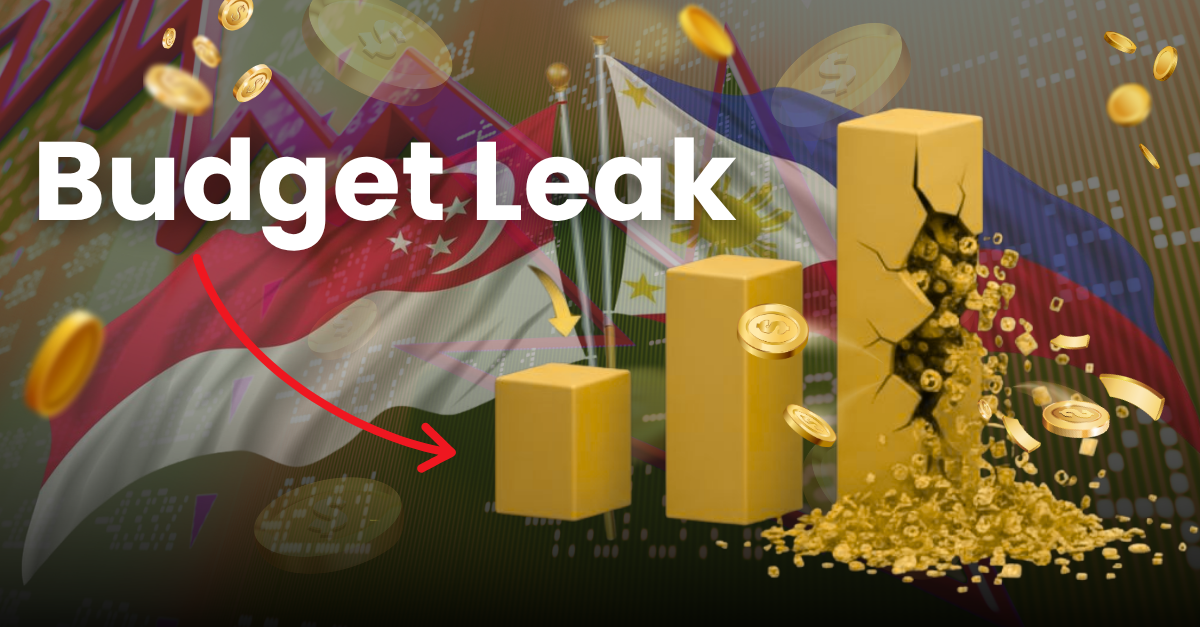
Where the Budget Actually Leaks
Ask a hundred Singapore SME owners what is wrong with their marketing and most will say the same thing: not enough budget. That is rarely the actual diagnosis. Singapore SMEs typically allocate somewhere between 5 and 12 percent of revenue to marketing, and the ones spending on the higher end are not automatically the ones winning. What separates them is allocation and follow-through, not the size of the number.
A campaign producing twenty genuinely qualified enquiries will consistently outperform one producing a hundred low-quality form fills. Before increasing any ad budget, run an honest audit of what happens after someone clicks. Does your mobile landing page load in under three seconds? Does it show a trust signal before the visitor has to scroll? Is there one clear action, or five competing buttons? These small frictions are usually the real leak, not the platform algorithm.
In the Philippines, the leak tends to show up earlier in the funnel. Owners invest in ad spend but never build a system to capture repeat customers. Every sale resets to zero because there is no email list, no Viber broadcast group, no private community nurturing the people who already bought once. Relying entirely on the algorithm to keep reintroducing you to past customers is an expensive way to run a business.
The Shift Nobody Told You About: AI Is Now Reading Your Content Before Humans Do
Jack Yang, founder of JYSigma Business Consultancy, has been flagging this shift to SME clients across the region well before most agencies caught on. Google AI Overviews, ChatGPT, Perplexity, Claude, and Gemini are now intercepting a large share of informational searches before a person ever clicks through to a website. If your blog, your FAQ page, or your Google Business Profile is not structured in a way these AI systems can read and cite, you are becoming invisible at the exact moment someone is deciding who to call.
This is not a future trend to plan for later. It is happening in the searches your customers are running right now. Jack's advice to SME owners is simple: the fix does not require a bigger budget. It requires writing content that answers real questions directly, in plain language, the way you would answer a customer standing in front of you. Answer Engine Optimization (AEO) and Generative Engine Optimization (GEO) sound technical, but in practice they simply mean structuring your expertise so a machine can extract a clear answer and attribute it to you.
Small businesses that get this right early will have a meaningful head start, because most competitors in the region are still writing content purely for Google's blue links and have not adjusted for how people now find answers.
Building a System, Not a Campaign
The businesses growing fastest in Southeast Asia right now are not the ones spending the most. They are the ones who have matched their channel to their customer's actual buying behavior, built a first-party channel so they are not renting their entire audience from Meta or Google, and started treating AI search visibility as seriously as they treat their Google ranking.
If you are a Filipino SME owner, that might mean shifting budget away from a slick standalone website and toward faster, more responsive conversational selling on Messenger and WhatsApp, backed by consistent short-form video. If you are a Singapore SME owner, it might mean auditing your mobile checkout experience before you spend another dollar on Google Ads, and separating your LinkedIn strategy from your Instagram strategy instead of cross-posting the same content to both.
This is exactly the gap JYSigma Creative Agency was built to close. If you already know your customer but need someone to actually build and run the system, the video content, the conversational selling setup, the AEO-ready website copy, and the campaigns matched to how Filipino or Singaporean customers actually buy, that is the work JYSigma Creative Agency does every day for SMEs across the region. Start at gojca.com.
For business owners anywhere in the region unsure where to start, working through this with a consultant who understands both the Philippine and Singapore markets can save months of trial and error. JYSigma Business Consultancy works with SME owners across the Philippines and Singapore to build digital strategies matched to how their actual customers buy, not a generic template. You can reach the team directly at gojbc.com.
For business owners exploring wider ASEAN expansion, GTH-Asia works alongside regional partners on structured capital and growth strategy across Thailand, Vietnam, Indonesia, and Malaysia, and you can learn more at gth-asia.com.

The Real Question to Ask Before Your Next Campaign
Stop asking which platform works best in Southeast Asia. There is no single answer, and anyone who gives you one is selling you something generic. Ask instead how your specific customer, in your specific city, actually decides to trust a business before they hand over money. Build your marketing around that answer, and the platform choice takes care of itself.
If you are building a side income or a small trading business and want a practical, no-fluff framework to get started, Your1stSideIncome has a landing page built specifically for that first step, at your1stsideincome.com. And if cash flow rather than marketing spend is the real bottleneck holding your business back, GTH Quickfund works with Philippine MSMEs on accessible financing at gth-quickfundph.com.
Southeast Asia's digital economy is not waiting for anyone to catch up. The businesses that win this decade will be the ones who stopped copying playbooks from markets that do not match their customer, and started building one from scratch around the person actually buying from them.
Frequently Asked Questions (FAQs)
Why am I spending on ads but not getting sales in Singapore? The issue is usually the system after the click, not the ad itself. Audit your mobile page speed, trust signals, and whether you are chasing lead volume instead of lead quality.
What percent of revenue should an SME in Singapore spend on marketing? Most Singapore SMEs allocate roughly 5 to 12 percent of revenue to marketing, with growth-stage businesses spending toward the higher end.
Is Facebook Messenger really better than a website for selling in the Philippines? For most Filipino SMEs, yes. Conversational selling through Messenger and WhatsApp typically converts faster than a standalone checkout page because trust is built through direct chat.
Do I need to worry about ChatGPT and AI search if I am just a small business? Yes. AI answer engines already intercept a large share of informational searches before people click through to a website, so unstructured, unclear content becomes invisible in AI-generated answers.
What is the biggest digital marketing mistake ASEAN small business owners make? Copying a marketing playbook from a different market instead of building a strategy around how their specific local customer actually decides to trust and buy.


Want to know more? Contact our business consultant
Expert guidance on Business to maximize returns and minimize risks.
Recent Blogs
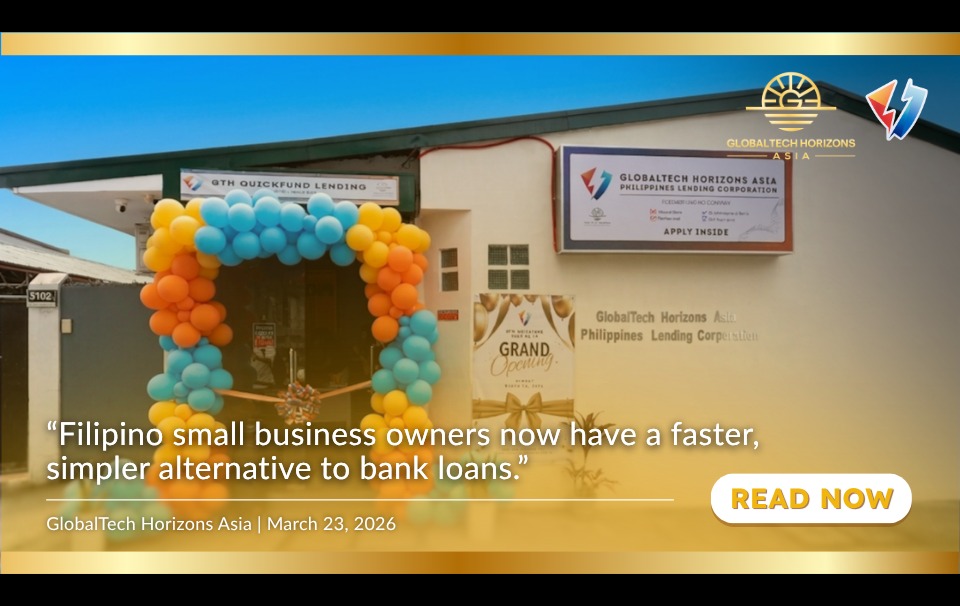
GTH Quickfund Opens First Philippine Branch in Valenzuela City to Expand MSME Loan Access

GlobalTech Horizons Asia (GTH-Asia) Completes 2025 Preparation Phase and Advances Into 2026 to Evaluate Up to USD 100 Million in Structured Capital Across Southeast Asia
