.png)
Jack Yang Redefines Entrepreneurial Resilience at Asia Voices of Courage 2026
Most keynote speeches wait until the struggle is over to tell the story; Jack Yang’s session, at the Asia Voices of Courage Speakers Summit 2026 in Kuala Lumpur, argued that the messy middle is exactly where the real lesson lives.
Why “I’m Not Finished Yet” Beats “Never Give Up”: Jack Yang’s Message to ASEAN Founders in Kuala Lumpur
Every entrepreneur conference runs on the same formula. Someone takes the stage, walks the room through the year the business almost collapsed, then shows the after photo. The funded round. The exit. The award now sitting on the shelf. Everyone claps, and everyone in the audience quietly wonders when their own after photo is coming.
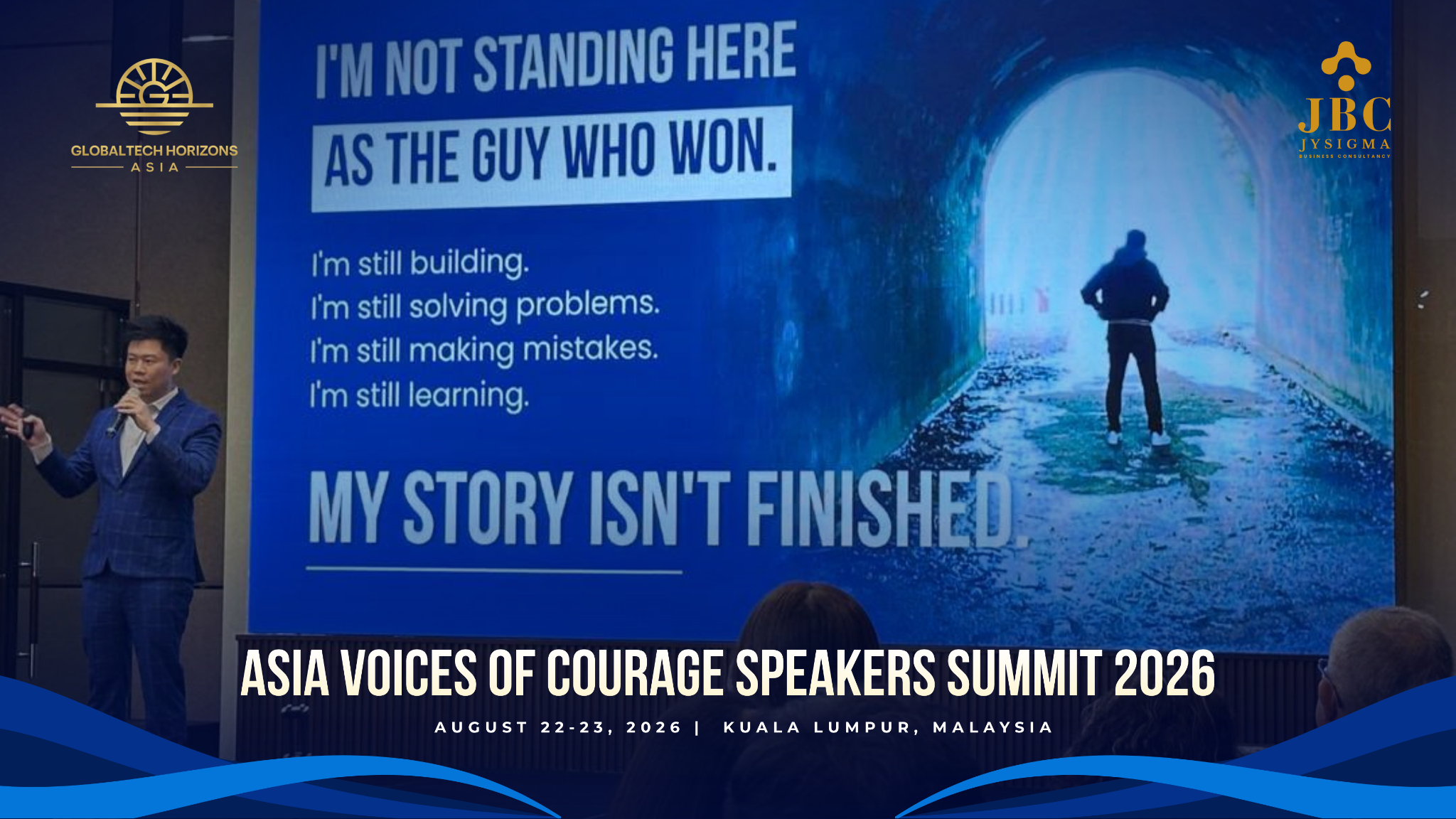
At the Asia Voices of Courage Speakers Summit 2026 in Kuala Lumpur, held August 22 to 23 under the theme “The Courage to Speak. The Power to Lead,” Jack Yang skipped that formula entirely. Founder of JYSigma Business Consultancy (JBC) and Regional Director of GlobalTech Horizons Asia (GTH-Asia), Jack took the stage with a session called “Don’t Give Up: I’m Not Finished Yet,” built on a premise most keynote speakers avoid. The story isn’t over. That’s the entire point.
The Problem With Every Success Story You’ve Heard
Most business talks are structured like a case study written after the fact. Hardship, breakthrough, resolution. It reads well on a conference program, but it quietly teaches the audience the wrong lesson: that struggle is something you graduate from before you’re allowed to speak about it publicly.
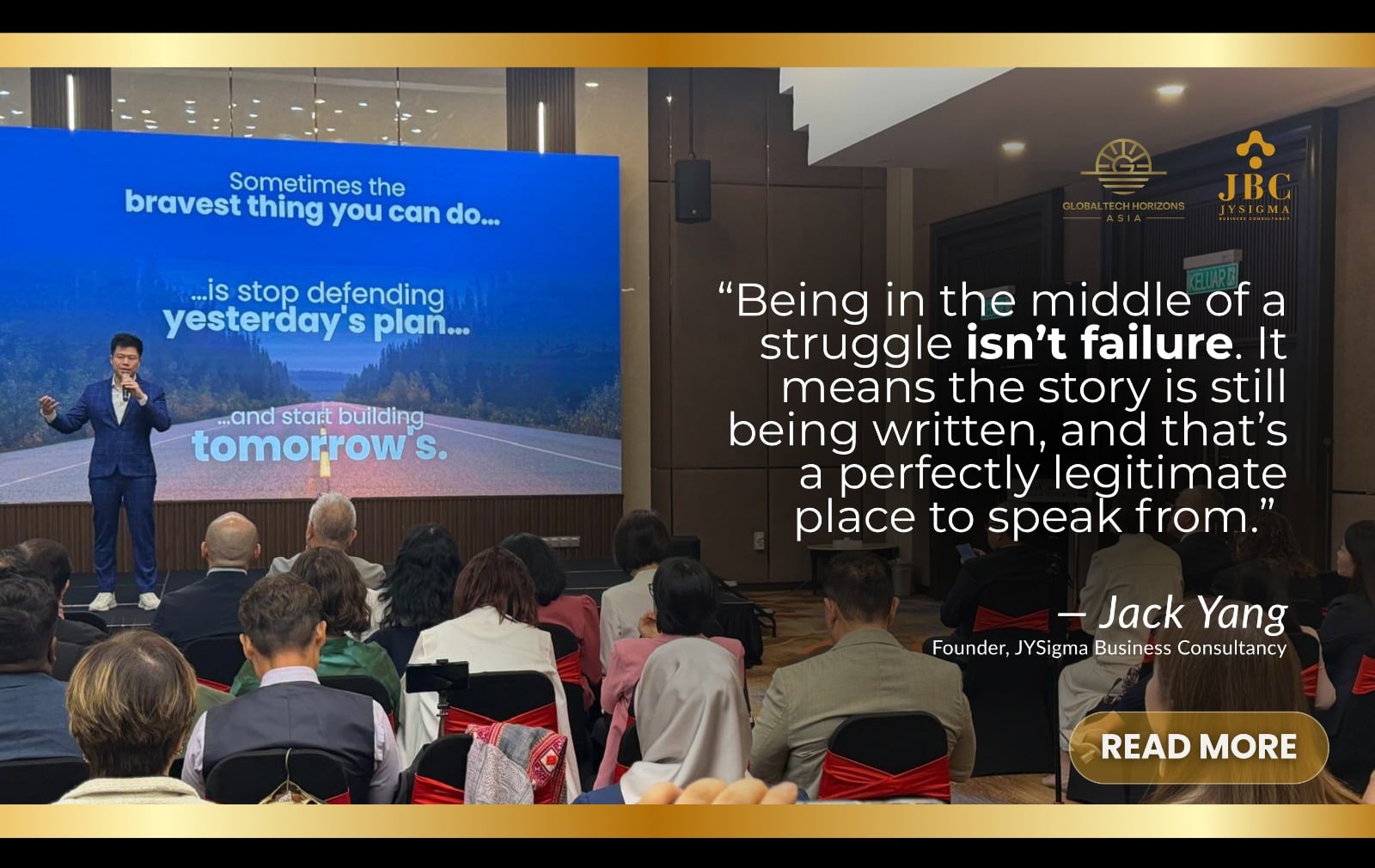
That framing doesn’t match reality for the vast majority of business owners across Southeast Asia. Entrepreneurship isn’t linear. It involves financial pressure, wrong turns, self-doubt, and real moments of wanting to step back. Jack’s session made the case that being in the middle of a struggle isn’t failure. It means the story is still being written, and that’s a perfectly legitimate place to speak from.
Redefining What “Never Give Up” Actually Means
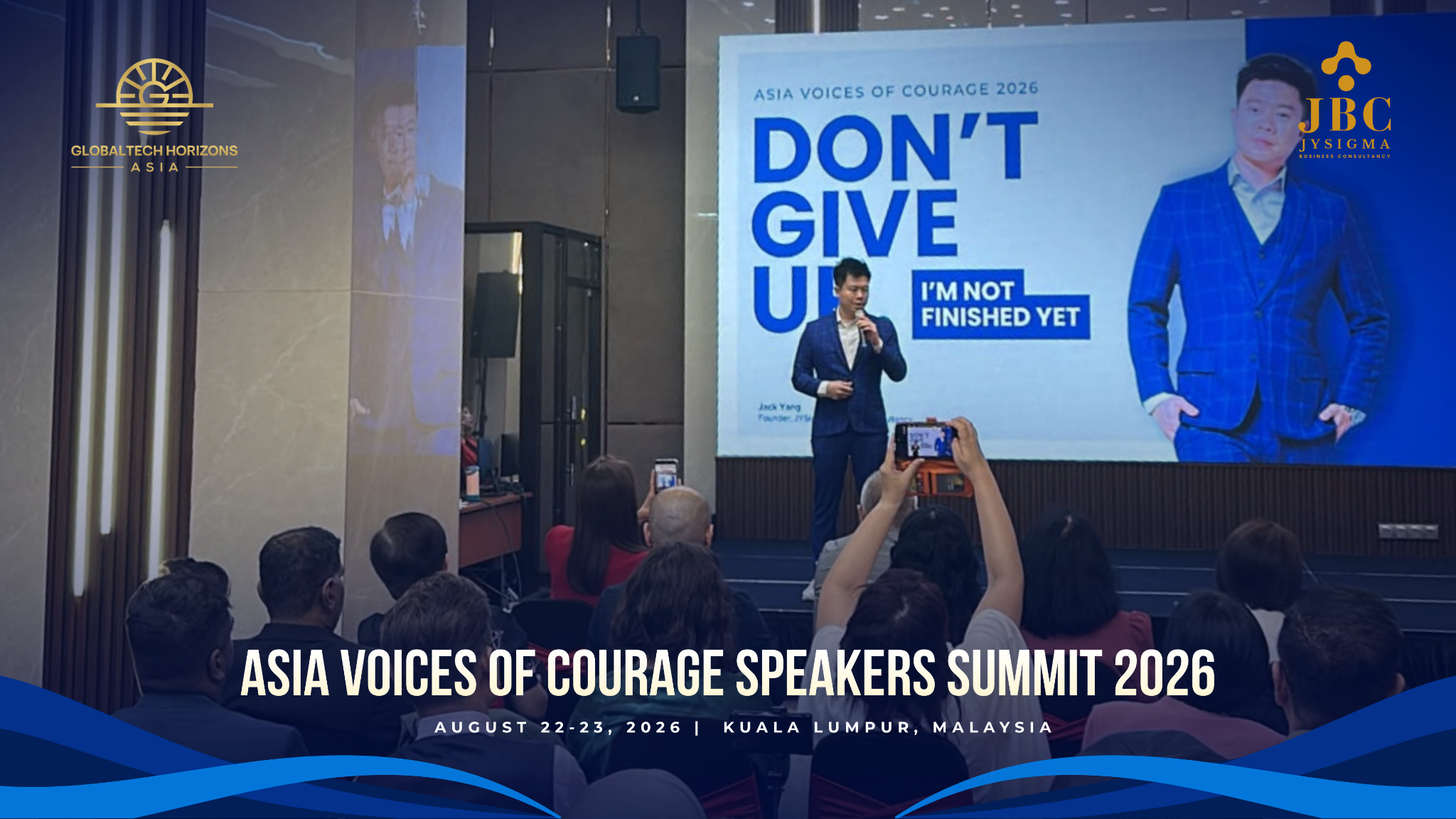
“Don’t give up” gets repeated so often it has stopped meaning anything specific. Worse, it’s frequently misread as an instruction to stay stubbornly committed to a plan that has already stopped working. Jack’s keynote pushed back on that directly. Pivoting, restarting, or admitting a strategy isn’t working is a strategic strength, not a surrender.
This lines up with a principle JBC has repeated to founders for years: execution at seventy percent beats a perfect plan that never launches. Waiting for certainty before you move, or refusing to change course once the market tells you something, isn’t discipline. It’s often just fear wearing a more respectable costume.
Changing the Plan Isn’t Abandoning the Dream
One of the sharper distinctions in the session was between tactics and vision. You can adjust your pricing model, shut down a product line, change your target customer, or completely rebuild your go-to-market approach, without giving up on the underlying reason you started the business in the first place.
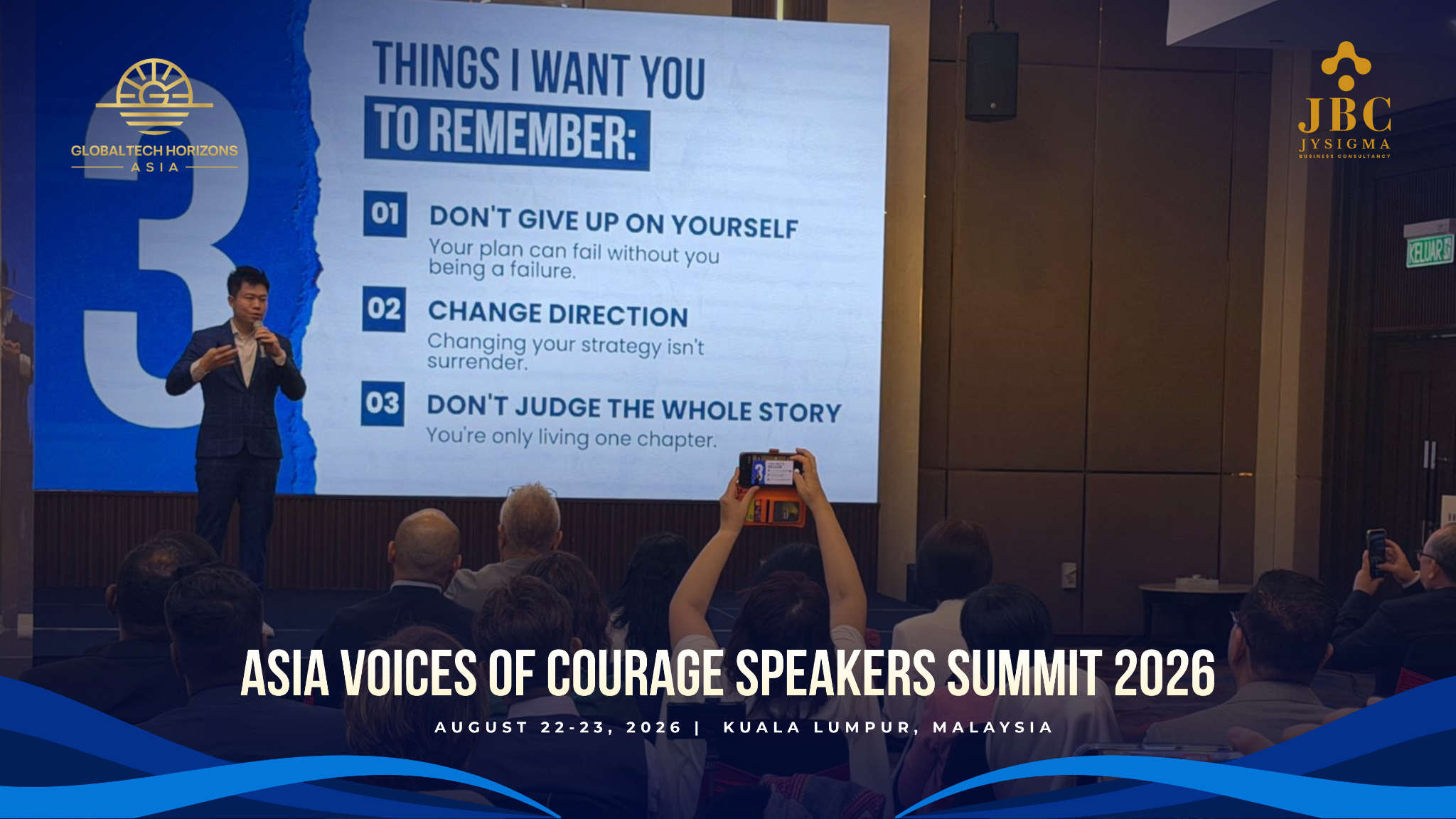
Founders rarely lose momentum because they changed direction. They lose it because they treated a change in tactics as proof that the original dream had failed, and let that story convince them to stop. Context matters more than the chapter you’re currently living. As the summit’s own tagline put it, don’t judge your entire story by the chapter you’re living today.
Why This Landed Differently for a Southeast Asian Room
The timing mattered. Philippine SMEs are heading into the back half of 2026 carrying real pressure. A recent Lalamove Philippines survey of small business owners found that roughly six in ten remain only “cautiously optimistic” about the year ahead, while a fifth described their outlook as uncertain, with most citing high borrowing costs and inflation as the main constraint on growth. Interest rates have eased somewhat, with Bangko Sentral ng Pilipinas cutting its policy rate by 175 basis points since 2024, but easing on paper doesn’t always translate to easing on the ground for an owner still watching cash flow week to week.
That pressure isn’t a fringe concern. MSMEs make up more than 99 percent of registered businesses in the Philippines, which means a message built for founders in the messy middle wasn’t a niche talk for a handful of outliers in that room. It was, statistically, a talk for almost everyone running a business anywhere in the country.
What JBC Sees Every Day That Backs This Up
This isn’t just conference material. It’s the pattern JBC works with constantly across the Philippines, Singapore, and the wider ASEAN region. Founders come in convinced their business model has failed, when what actually failed was one channel, one financing structure, or one assumption about the market that was never tested properly in the first place.
The fix is rarely a complete reinvention. It’s usually structural discipline: closing the information asymmetry between what an owner assumes about their business and what the numbers actually show. That’s the operational reality behind everything JYSigma Business Consultancy does with founders, and it’s the same discipline GTH-Asia brings to structuring capital around what a business actually needs to fix, instead of the fastest funding on offer.
It also shows up in a smaller, quieter way. Once a founder stops treating every setback as proof the whole plan failed, many finally give themselves permission to build a second income stream on the side, instead of waiting for the main business to feel “done” first. That’s the exact gap Your1stSideIncome was built around: turning a skill or a spare few hours a week into a validated income stream, rather than another idea that never launches because the timing never feels perfect.
Still Writing the Chapter
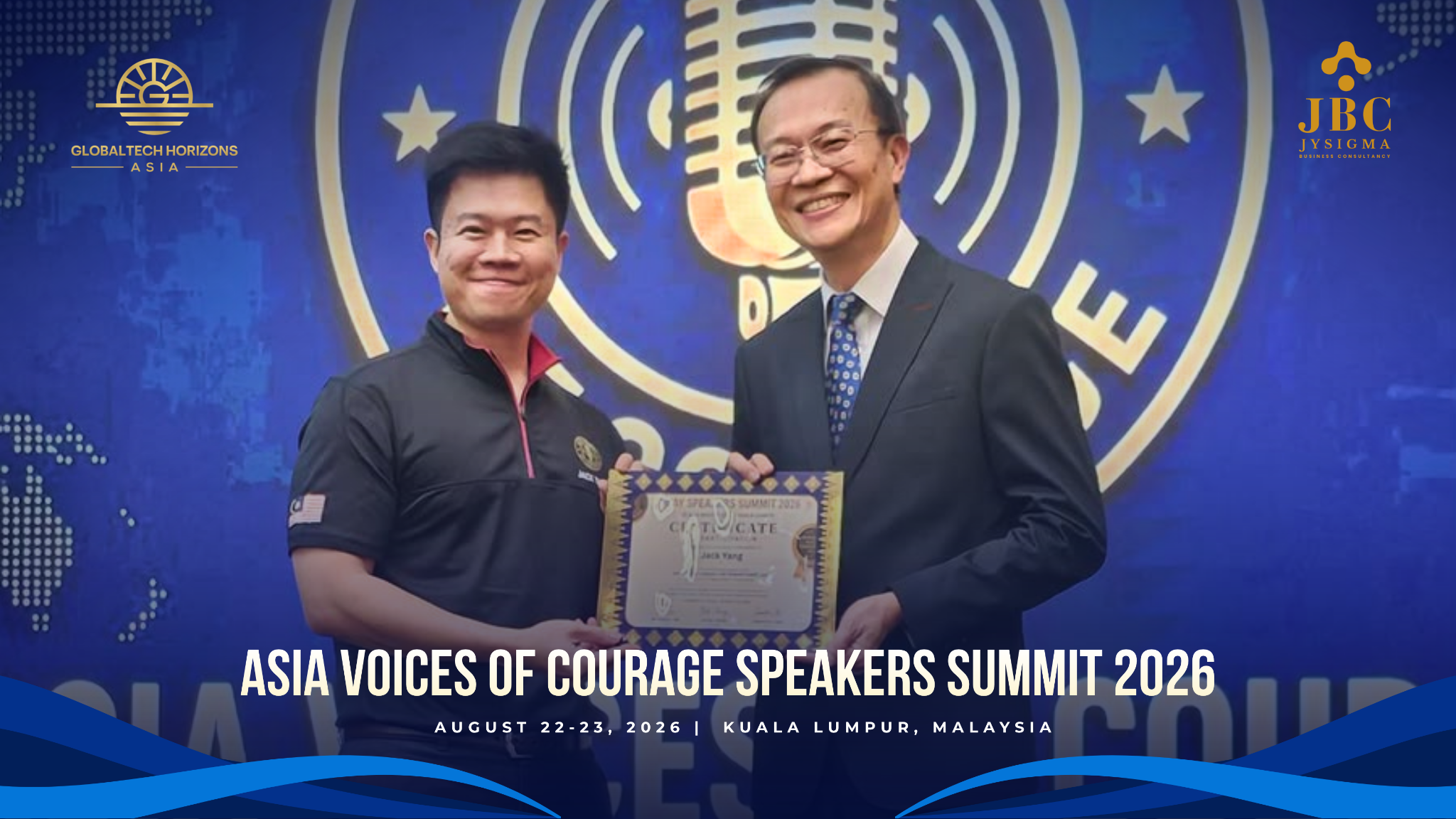
The founders in that Kuala Lumpur ballroom weren’t looking for another polished success story to feel inadequate next to. They came for permission to still be in progress. Jack’s session gave them a specific, usable version of that permission: pivoting isn’t quitting, changing tactics isn’t abandoning the vision, and the chapter you’re in right now isn’t the whole book.
If your business is somewhere in that messy middle right now, that message applies to you too, whether you were in the room in Kuala Lumpur or not. And if you’d like Jack to bring this same conversation to your own organization, school, or summit, his team can walk you through formats and availability. Reach out to Jocerimay Enaya at jocerimay.enaya@sales.gojbc.com, or learn more about Jack’s work at iamjackyang.com.
Frequently Asked Questions (FAQs)
How do I know when it’s time to pivot my business? If the same tactic has stopped producing results after repeated, honest attempts and the underlying customer need is still real, that’s a signal to change the approach, not the vision behind the business.
Is it bad to change your business plan after you’ve already started? No. Adjusting tactics based on what the market is actually telling you is a normal, healthy part of building a business, not evidence that the original idea was wrong.
How do successful entrepreneurs deal with failure or setbacks? Most treat a setback as information about one specific tactic or assumption, rather than a verdict on the entire business, which keeps them able to adjust instead of shutting down.
What’s the difference between giving up and pivoting? Giving up means abandoning the underlying goal entirely. Pivoting means keeping the goal and changing the method used to reach it.
How can I stay motivated when my business isn’t growing the way I expected? Focus on the smallest measurable sign of progress, whether that’s efficiency, retained customers, or lessons that sharpen your next decision, instead of waiting for a single dramatic breakthrough moment.


Want to know more? Contact our business consultant
Expert guidance on Business to maximize returns and minimize risks.
Recent Blogs

GTH Quickfund Opens First Philippine Branch in Valenzuela City to Expand MSME Loan Access

GlobalTech Horizons Asia (GTH-Asia) Completes 2025 Preparation Phase and Advances Into 2026 to Evaluate Up to USD 100 Million in Structured Capital Across Southeast Asia
